Mechanical Engineer · Founder & CEO · Boulder, CO
Gavin Worrell
Mechanical engineering student at CU Boulder (4.0 GPA) who founded a defense technology startup as a sophomore and a gymnastics equipment company at 16. I own CAD and mechanical design on a transmedium unmanned vehicle built to fly, submerge, and fly again — and I run the funding strategy behind it.
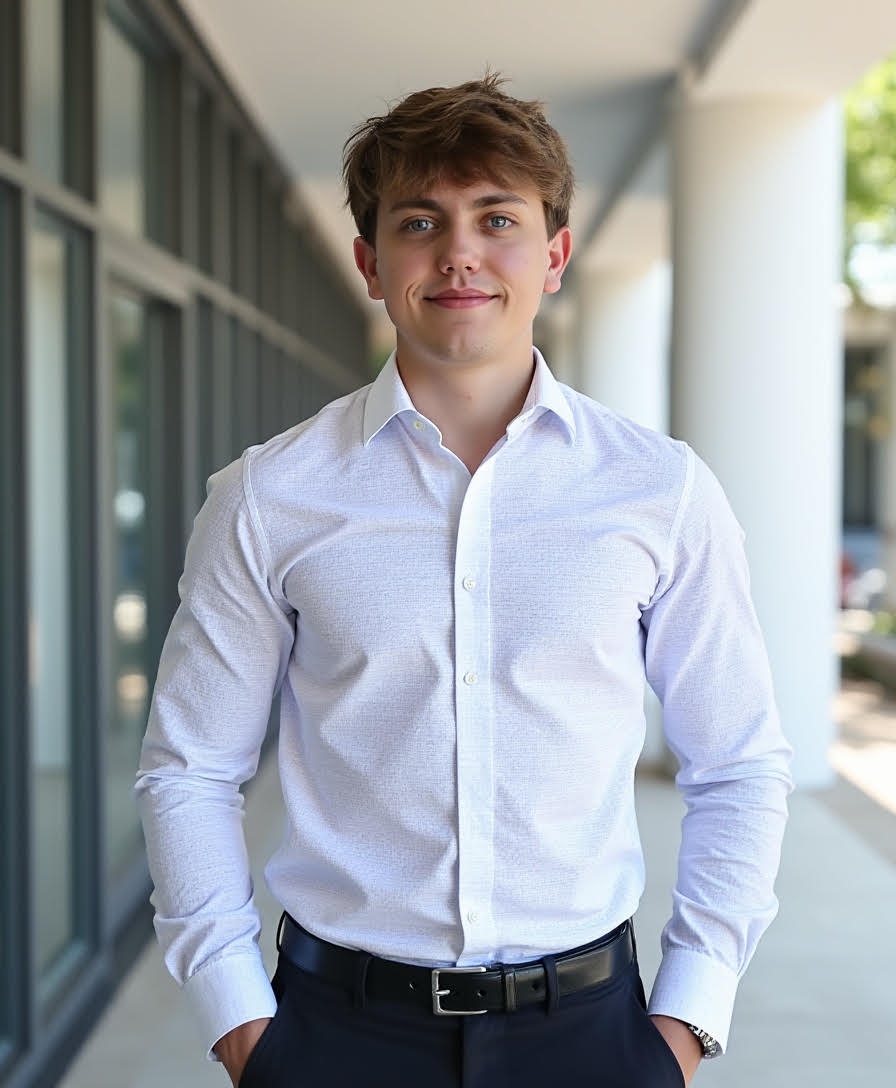
Gavin Worrell — Founder & Chief Engineer, Liminal Stratum
- 4.0
- GPA — CU Boulder ME
- $50K+
- 2025 revenue, Locked In Athletics
- 500+
- Backpacks sold
- Formula
- SAE team
Liminal Stratum
Founder, CEO & Chief Engineer · Jun 2026 – Present · Boulder, CO
Liminal Stratum is a defense technology startup I founded as a sophomore in college. I lead engineering as chief engineer while also serving as CEO, and I've recruited and onboarded five engineers across software/autonomy, mechanical, electronics, and CAD. We're developing a transmedium unmanned vehicle capable of air-to-water-to-air operation for anti-submarine warfare, sea mine clearance, and Navy ISR missions — a vehicle that has to perform in two physically different domains with no established design playbook to follow.
I own the CAD architecture and mechanical design of the vehicle's core systems: the hybrid airframe/hull structure, the propulsion system that transitions between air and underwater operation, watertight avionics enclosures, and the folding control-surface arms that fold for flight and deploy for underwater maneuvering. Alongside the engineering, I run the company's funding strategy — pursuing a NAWCAD BAA government development award while building a pipeline of defense-focused VC and angel investors.
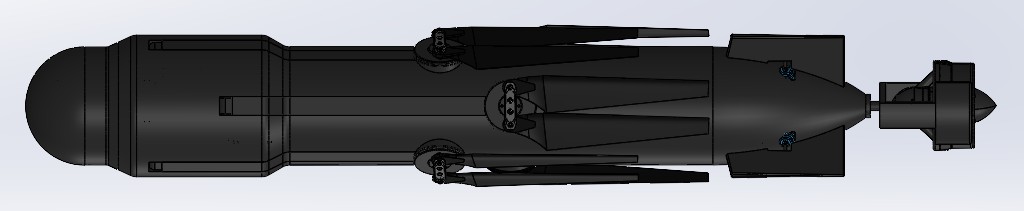
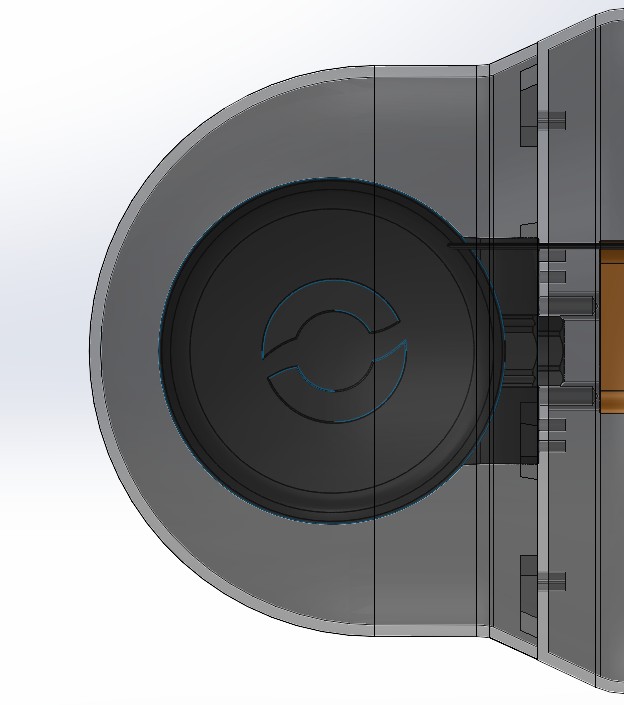
Design & engineering process
The first real design decision was architectural: build one sealed airframe that does both jobs, instead of pairing a separate air vehicle with a separate underwater vehicle. A two-vehicle approach is the obvious way to solve transmedium flight, but it's heavier, harder to manufacture, and adds a second full set of failure points. I chose a single-airframe architecture instead, which meant every subsystem — structure, propulsion, avionics — had to survive and function in both domains rather than being optimized for just one.
That drove the rest of the mechanical design. The vehicle is VTOL, so it launches and recovers without a runway, catapult, or net — deployable from a vessel, a shoreline, or open ground. Rotor arms fold for efficient flight and reconfigure as the vehicle enters the water, and I isolated all sensitive electronics in a single dry, pressure-tolerant bay so the same avionics and flight controller govern behavior in both domains instead of handing off between two onboard computers. Propulsion is domain-specific by design — rotors tuned for stable, efficient flight and a dedicated underwater thruster for low-noise submerged movement — with the air-to-water transition designed to be fast and repeatable rather than a fragile one-time event, though that's still a design target to validate once the physical prototype exists.
Navigation has to solve the same domain-switching problem. In air, the vehicle relies on GPS and inertial sensing; the instant it goes underwater GPS disappears, so the plan is to hand off to dead reckoning from its own inertial and motion data, then bring sonar online for object detection and underwater navigation. Making that handoff automatic and continuous is one of the hardest open problems on the project — the autonomy software that will run it is still being architected, and I'm working through that design alongside our software/autonomy engineer rather than calling it a finished capability.
Major milestones
- 01Wrote a first-pass business plan and CAD concept for the vehicle, then founded Liminal Stratum LLC as a Texas company to build it.
- 02Built the first full CAD model of the airframe, folding arms, and propulsion system.
- 03Substantially reworked the early geometry after mechanical and hydrodynamic analysis of the water-entry transition — changing the hull profile, arm hinge placement, and the position of the dry electronics bay.
- 04Carried that analysis into propulsion and sensor layout, adding the dedicated underwater thruster and the sonar-equipped nose cone.
- 05Registered the company with SAM.gov to open the door to federal contracts, and reviewed the Navy's BAA solicitation to align the technical roadmap toward a NAWCAD proposal.
- 06Recruited and signed five engineers under formal consulting agreements, and built the investor pitch deck and funding materials for defense-focused VC and angel outreach.
- 07Currently 3D printing the first physical prototype of the outer body to validate the design against a real part before full assembly and testing.
Locked In Athletics
Founder & CEO · Dec 2022 – Present · Houston, TX / Boulder, CO
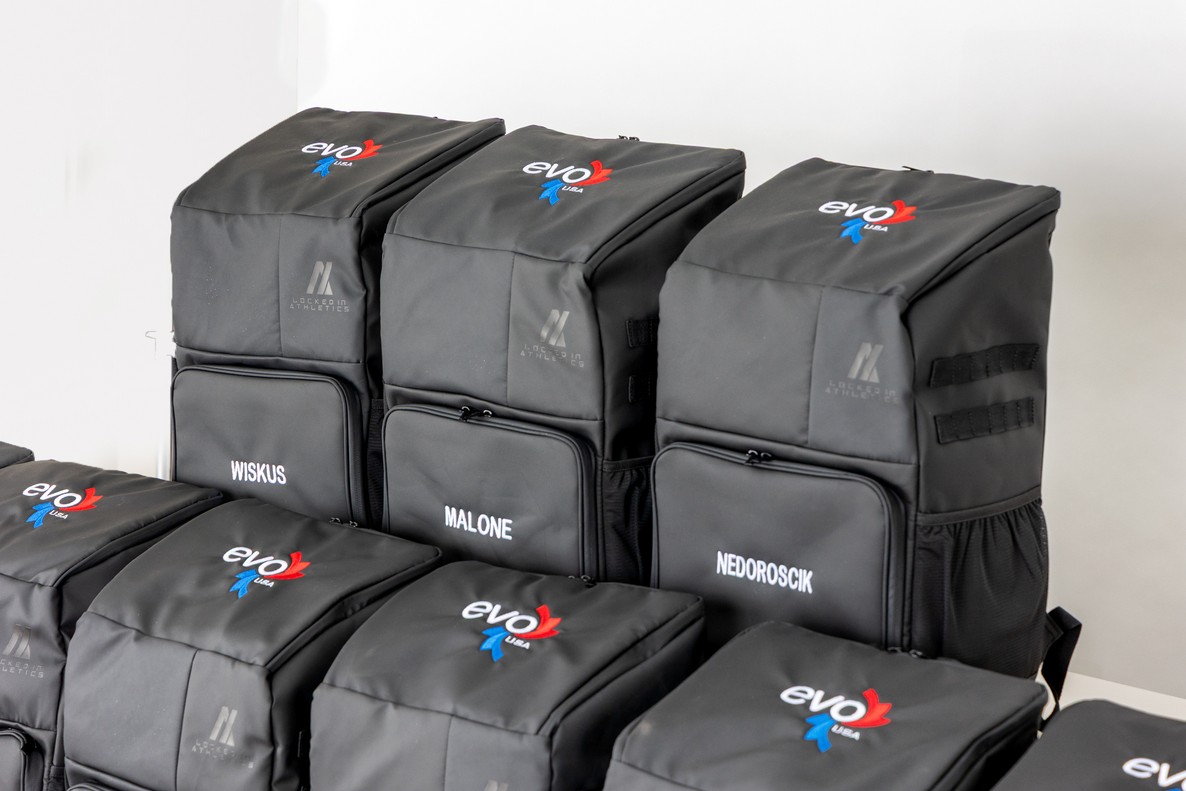
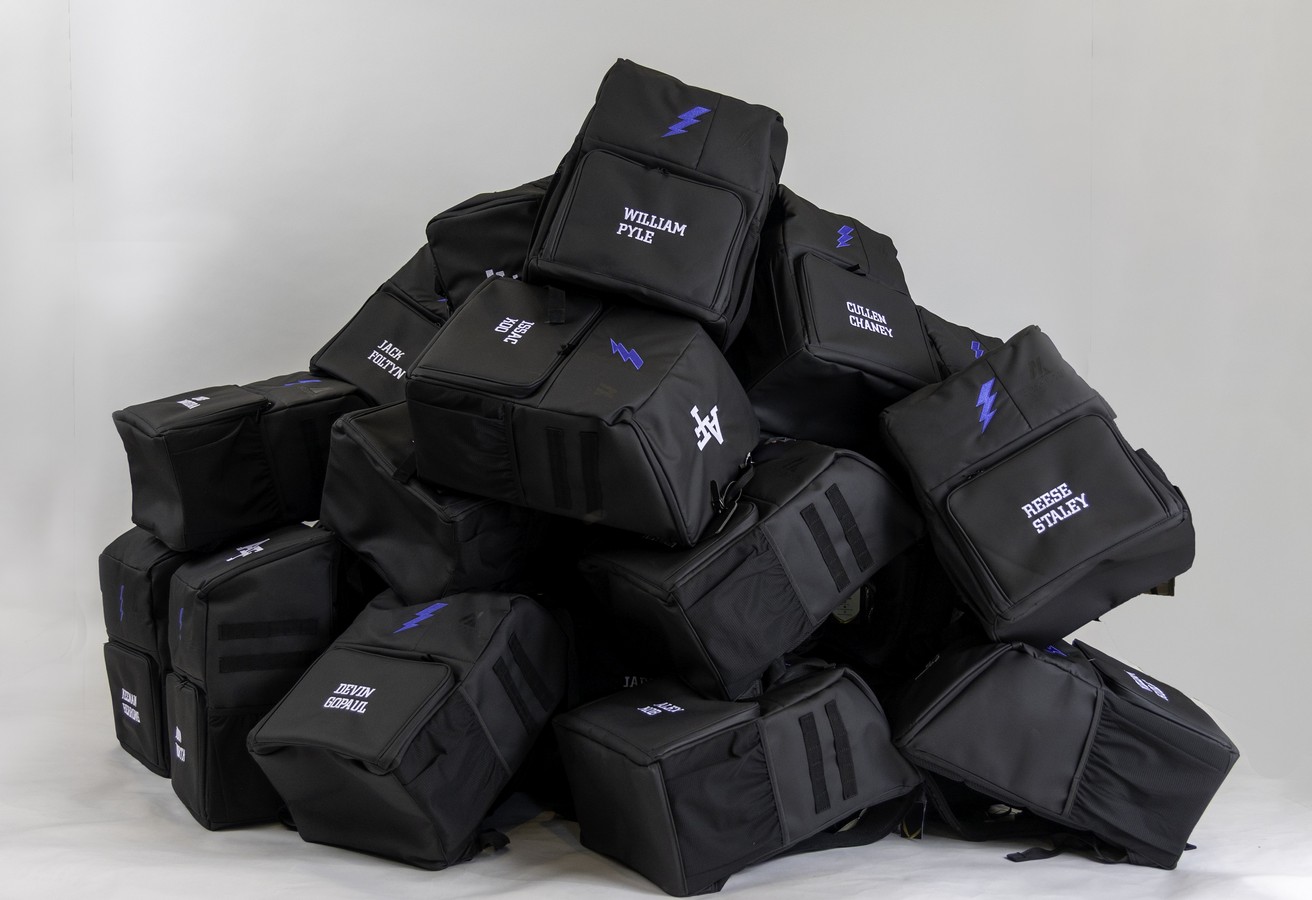
I founded Locked In Athletics at 16 after noticing a problem nobody else in the gymnastics industry had solved: no backpack on the market was actually built for how gymnasts train and compete. I designed a product from scratch, then built the manufacturing, sales, and marketing operation myself — sourcing manufacturing partners in China and Mexico and running the brand end to end.
The company has scaled past $50,000 in revenue in 2025 alone, with more than 500 backpacks sold and institutional contracts with the U.S. Air Force Academy and the Jamaican National Gymnastics Team. Winning contracts like that meant building real relationships with decision-makers I had no natural way into, which sharpened networking and people skills I now rely on as much as CAD.
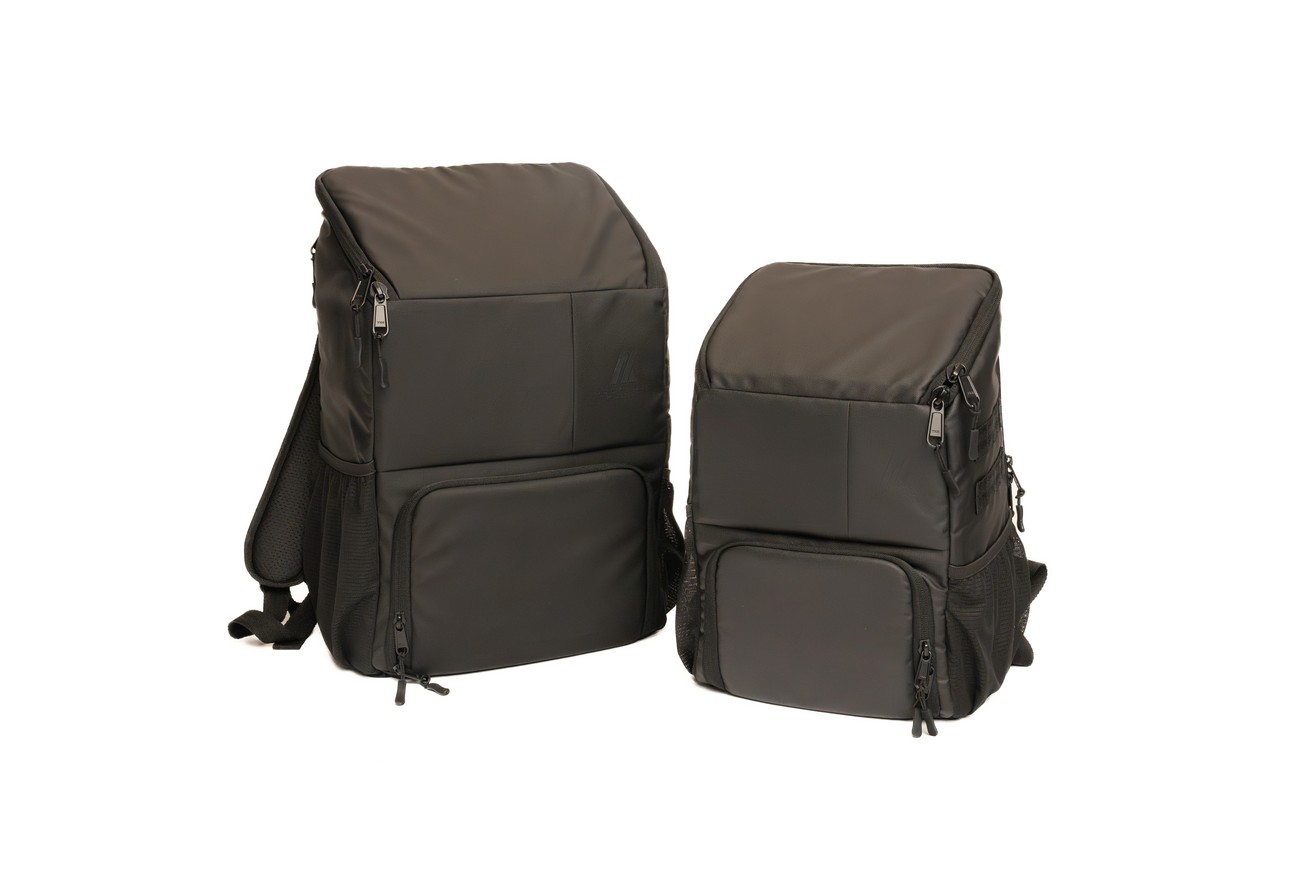
Design & manufacturing process
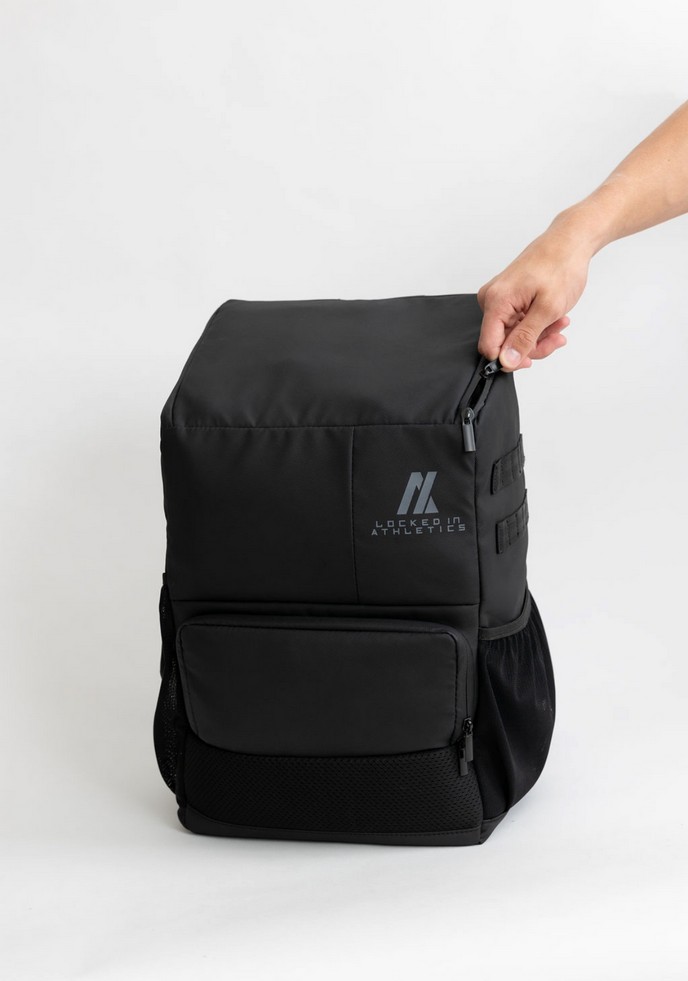
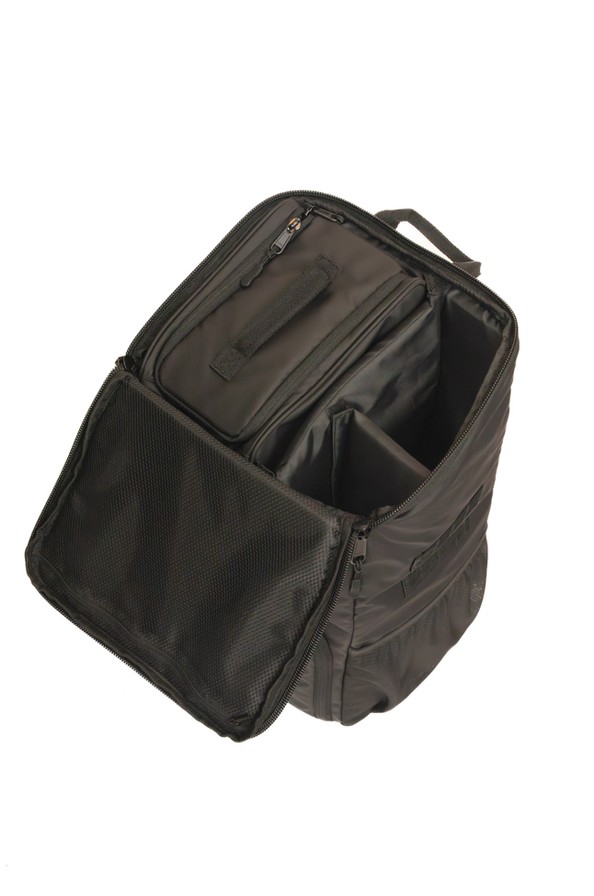
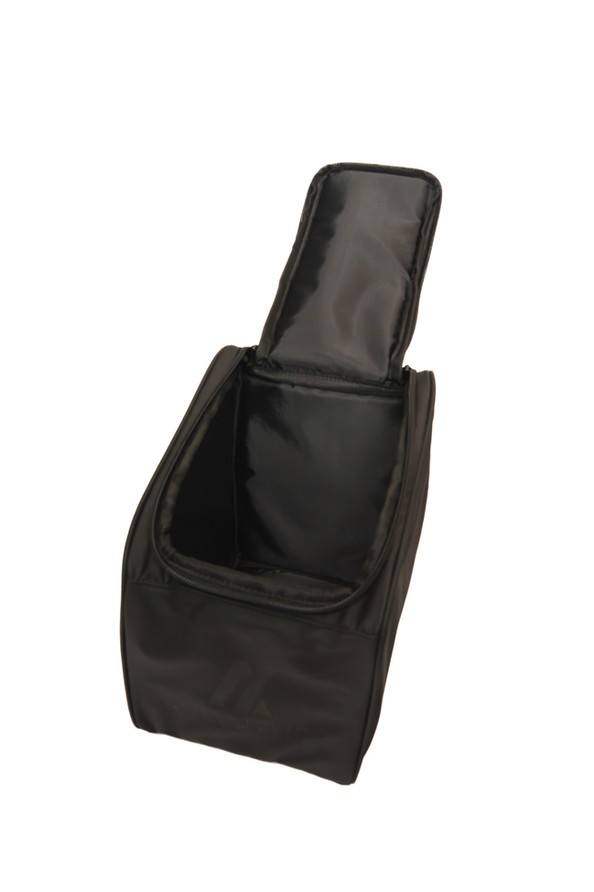
The bag is built around a modular compartment system I designed and filed a provisional patent on in January 2025, aimed at a problem every gymnast has but no backpack solved: chalk from grips and chalk blocks contaminates everything it touches. The design uses a hinged horizontal divider — a "trap door" — that isolates a chalk-only lower compartment from a clean upper one, a fully removable grip pouch that attaches with hook-and-loop so an athlete can carry just their grips to an event, and removable vertical dividers that let the same bag reconfigure between separated, expanded, and fully open modes. PE board reinforcement keeps the structure from collapsing under real gym-bag loads.
Getting there took iteration, not one clean design. I built and photographed a first-generation version in early 2024, tested it with real gymnasts including my own teammates, then redesigned the compartment layout, strap system, and exterior materials into the current 2.0 version before sourcing manufacturing partners to produce it at scale.
Major milestones
- 01Identified the gap in gymnastics equipment at 16, wrote an original business plan, and built the first-generation 1.0 backpack myself.
- 02Tested 1.0 with real gymnasts, including my own teammates, and used that feedback to drive a full redesign.
- 03Reworked the compartment layout, strap system, and exterior materials into the 2.0 product, and filed a provisional patent on the modular chalk-isolating compartment system.
- 04Sold past 500 backpacks and $50,000 in revenue, including institutional contracts with the U.S. Air Force Academy and the Jamaican National Gymnastics Team.
- 05Filed the full non-provisional patent application to lock down the design.
- 06Exhibited the redesigned 2.0 product at DevNationals 2026 in front of gymnasts and gyms directly.
- 07Signed a manufacturing and distribution partnership agreement to scale production beyond what I could manage alone.
CU Boulder engineering projects
Formula SAE · GEEN 1400 · Aug 2025 – Present
High-voltage junction box — Formula SAE
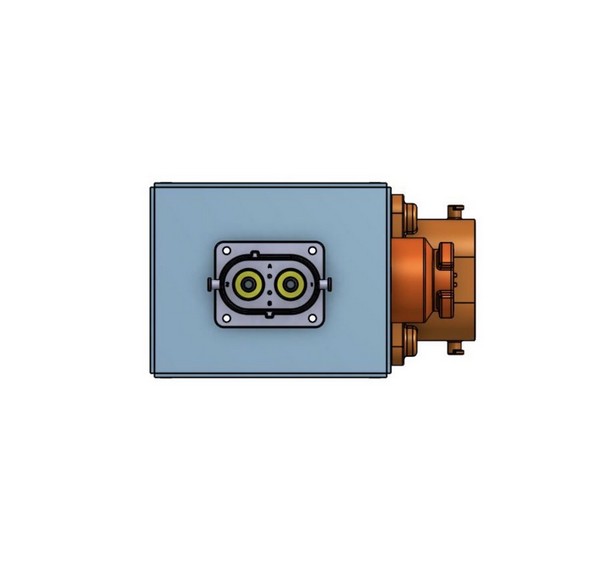
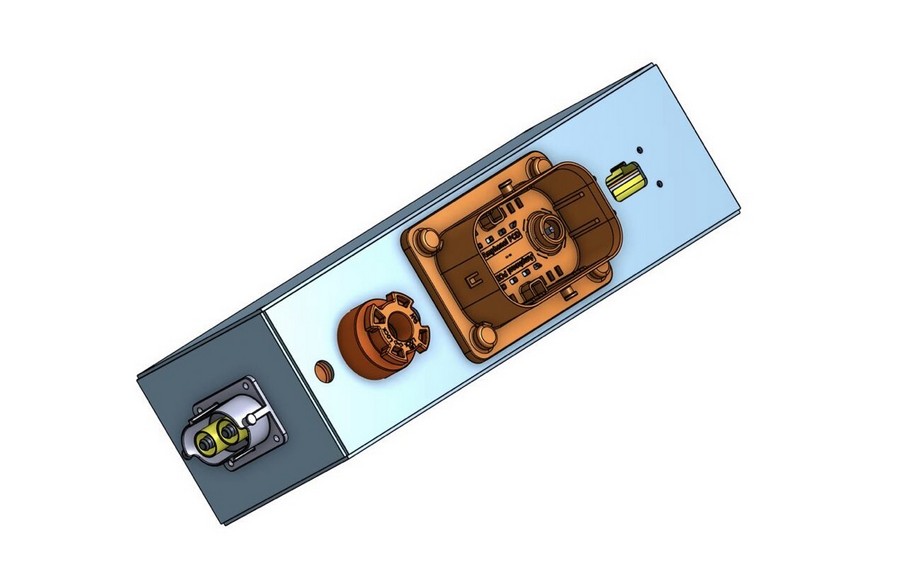
On CU Boulder's Formula SAE team I designed the high-voltage junction box that distributes power from the accumulator on our electric race vehicle, coordinating with the electrical and integration teams so my sealing and enclosure choices didn't create problems downstream. My process started from the failure mode rather than the happy path: I researched enclosure waterproofing and sealing approaches for wet operating conditions first, then designed the enclosure around maintaining electrical integrity under those conditions — treating a sealing failure on a live high-voltage system as a safety event, not an afterthought.
Eddy-current braking system — GEEN 1400
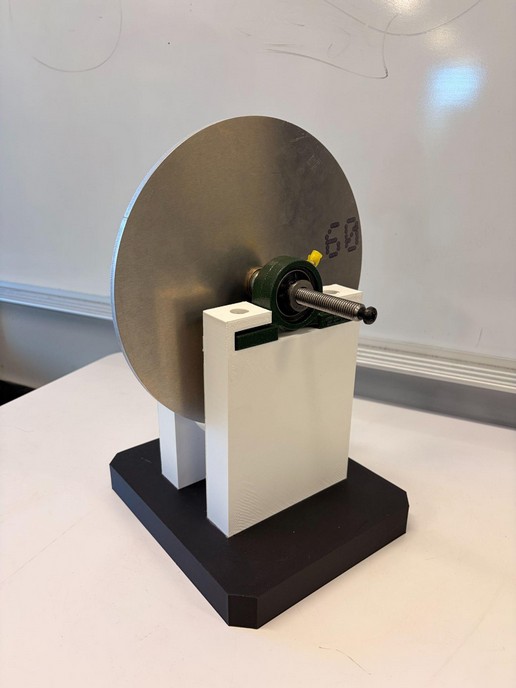
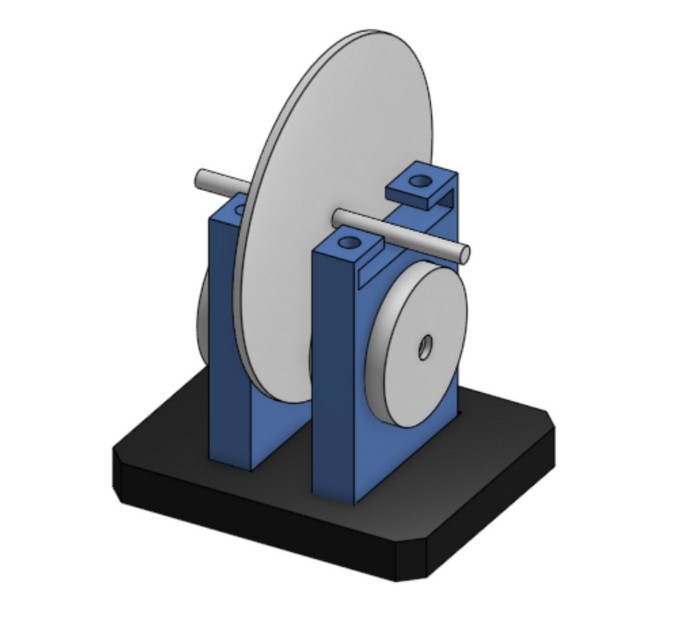
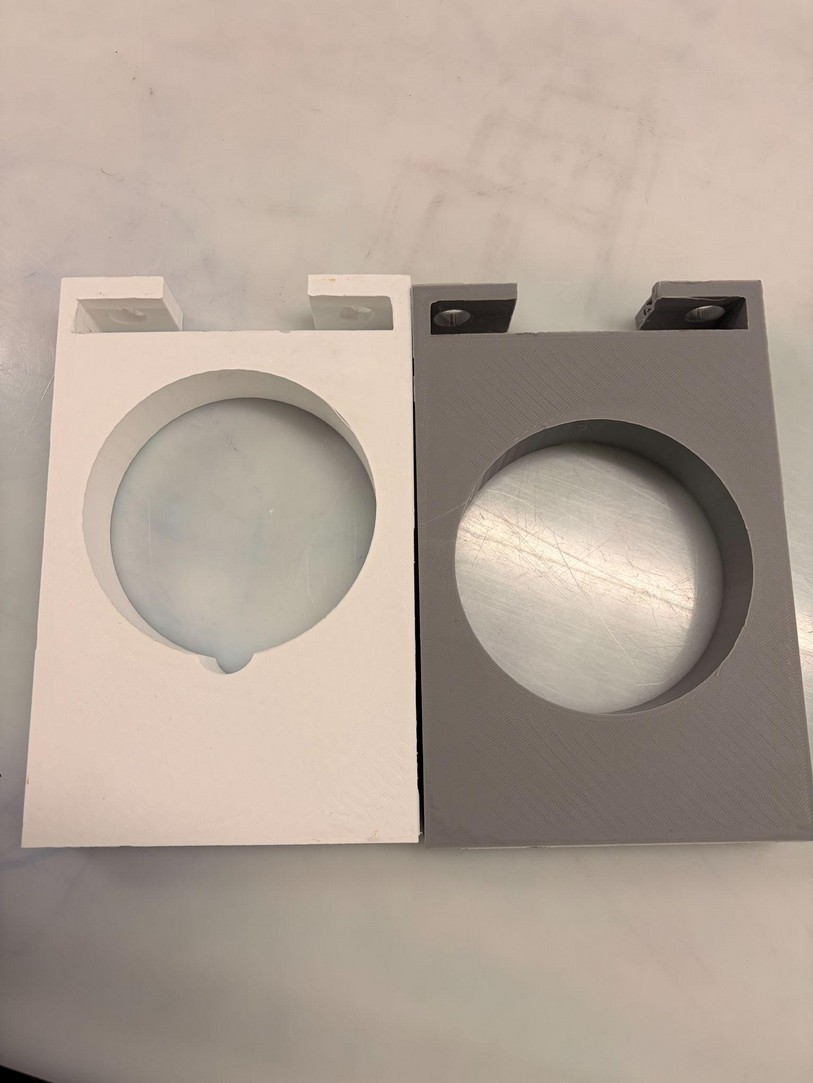
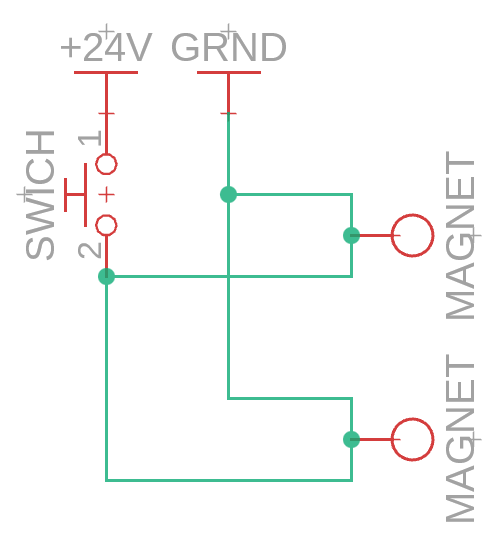
As part of a five-person team I helped design, build, and test an eddy-current braking system aimed at reducing brake failure and overheating on semi-trucks during long descents. I engineered the electromagnet enclosure and integrated the aluminum rotor that generated braking force through induced eddy currents, while teammates handled the electrical and simulation sides. Using a weighted decision matrix across functionality, safety, cost, and appearance, we selected a design that moderated rotational speed while optimizing electromagnet placement.
Getting there meant rejecting two earlier concepts. The first mimicked a real disk brake with electromagnets angled around the rotor in an elevated housing — closer to a production system, but it needed an independent support structure we couldn't justify for a prototype, so I redesigned the housing to mount directly to the rotor assembly, cutting cost and complexity while improving safety. We also debated how to spin the rotor at all: a motor was too expensive on top of the electromagnets and a hand-crank risked adding friction that would contaminate our data, so we settled on a screw driven by a handheld drill — cheap, simple, and repeatable. We nearly built it with a single electromagnet to save cost, until research showed a second magnet on the opposite face would raise braking force more than fivefold.
Tested result
8.2× angular deceleration
Measuring deceleration with the electromagnets off and on proved out the core concept: a contactless, fully reusable braking assist that eliminates the heat buildup behind a large share of real-world semi-truck brake failures.
Both CU Boulder projects reinforced the same lesson: good engineering happens at the interface between your system and everyone else's, not in isolation.
Background
Athletics · Advisory · Coaching · Education
Competitive gymnastics
Level 10 JE gymnast, Above The Bar Gymnastics Academy, Nov 2014 – Jun 2023. Competed at elite level through Level 10 JE; qualified for JO Nationals and Future Stars Nationals at the U.S. Olympic Training Center; earned Academic All-American honors and qualified for the R3 Elite Team. Nine years of training is where the product insight behind Locked In Athletics came from.
Business Advisor — SimpleLawTX
May – Aug 2026 · Texas. Advised on marketing strategy, client acquisition, and brand development; produced ad campaigns and video scripts for TradeWise Legal, a tradesperson-focused legal brand.
Gymnastics Coach — Above The Bar
Jun – Aug 2023 · Kemah, TX. Coached recreational gymnasts ages 4–10 in form, flexibility, strength, and technique, adapting instruction to individual skill levels.
Education & skills
B.S. Mechanical Engineering
Minor in Business Finance · University of Colorado Boulder · Aug 2025 – May 2029
- GPA 4.0 / 4.0 · Dean's List every semester
- SAT 1550 (99th percentile)
- Academic All-American · JO Nationals · Future Stars Nationals · R3 Elite Team
- Software
- SolidWorks · Onshape · KiCad · MATLAB · Adobe Illustrator · ArduPilot · ROS 2
- Programming
- C++ · JavaScript
- Hardware
- 3D printing · High-voltage electrical systems · Electromagnetics
Contact
Building something hard? Let's talk.
- gavinthomasworrell@gmail.com
- (409) 204-3422
- Boulder, Colorado